Total Solar Eclipse | April 8, 2024
On April 8, 2024, a total solar eclipse will cross North America, passing over Mexico, United States, and Canada. Are you ready for it?
A One of a Kind Experience for a Once in Lifetime Event

What to Expect
The April 8, 2024, eclipse will be a total solar eclipse. It will be the last total solar eclipse visible from the contiguous United States until 2044.
A total solar eclipse happens when the Moon passes between the Sun and Earth, completely blocking the face of the Sun. People viewing the eclipse from locations where the Moon’s shadow completely covers the Sun – known as the path of totality – will experience a total solar eclipse.

Where & When
The April 8, 2024, total solar eclipse will begin over the South Pacific Ocean and will cross North America, passing over Mexico, United States, and Canada. Weather permitting, the first location in continental North America that will experience totality is Mexico’s Pacific coast at around 11:07 a.m. PDT.

Safety
Except during the brief total phase of a total solar eclipse, when the Moon completely blocks the Sun’s bright face, it is not safe to look directly at the Sun without specialized eye protection for solar viewing. Viewing any part of the bright Sun through a camera lens, binoculars, or a telescope without a special-purpose solar filter secured over the front of the optics will instantly cause severe eye injury.
#shop
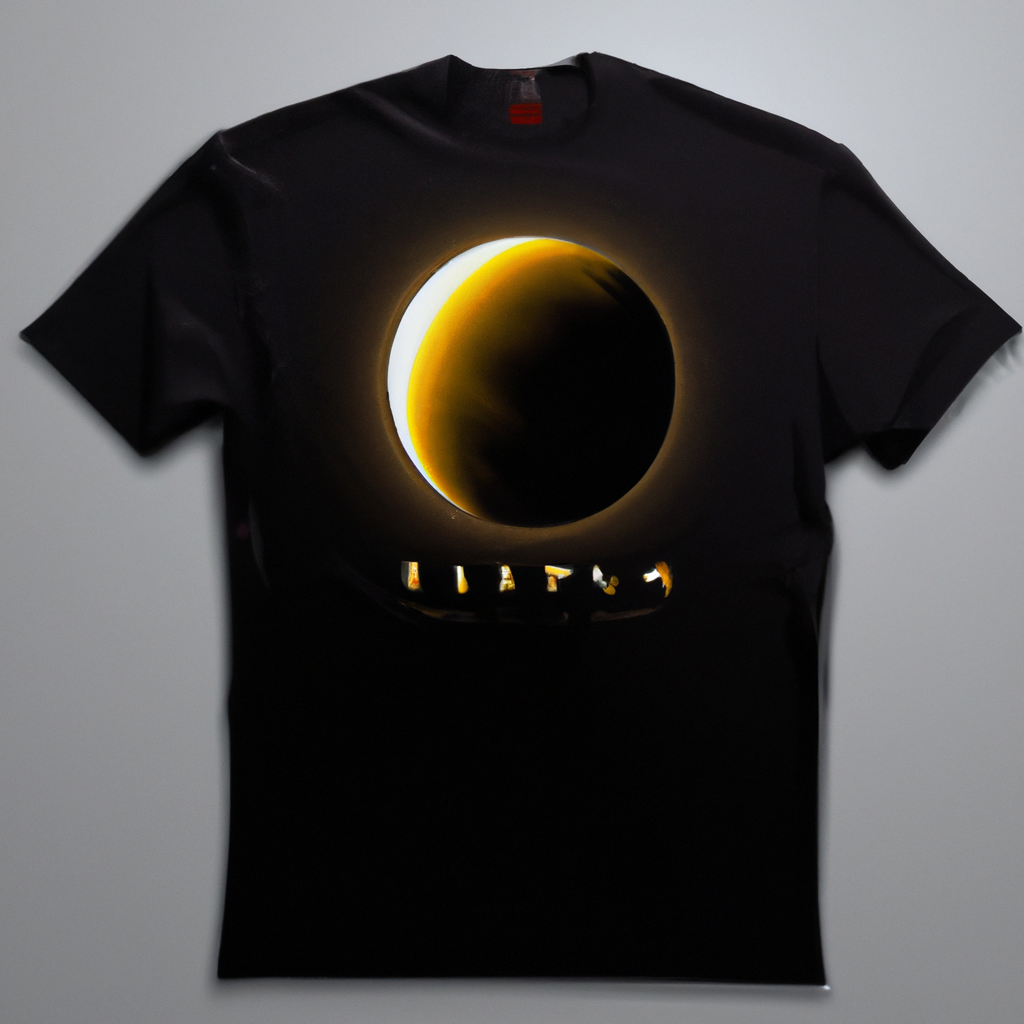
Total Eclipse Merch
Commemorate this once-in-a-lifetime event with special edition gear.
Limited time, free shipping - get yours in time for the Eclipse.
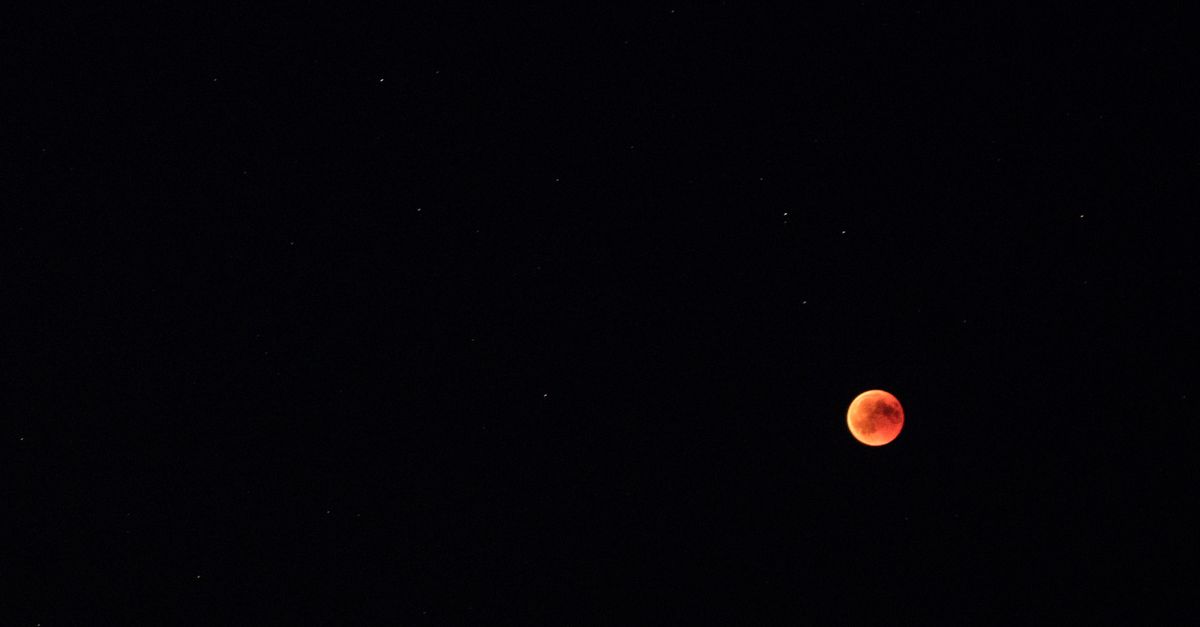
"The word "eclipse" comes from "ekleipsis," the Ancient Greek word for abandonment."

Order Eclipse Glasses
You can order eclipse glasses through the NEA so you can view the total solar eclipse on April 8, 2024 safely!
Keep in touch
Join our list and we will send email when new merch is added or if we have any promotions.
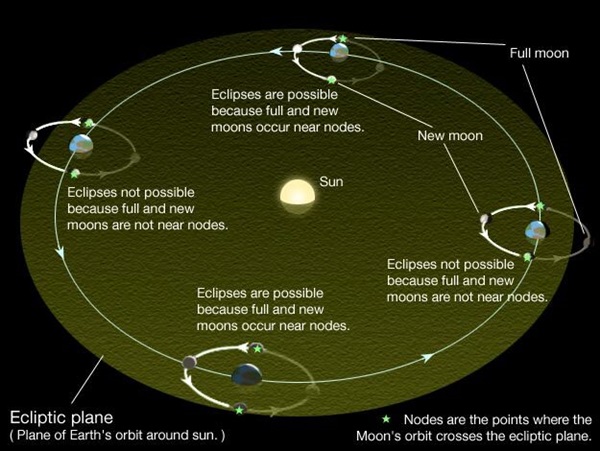
Science: What causes an eclipse to occur?
Eclipses occur due to the special coincidence of the Moon and the Sun being the same angular size. The Sun is approximately 400 times wider than the Moon, but it is also approximately 400 times farther away, so they appear to be the same size in our sky. This is what allows the Moon to completely block the Sun during total solar eclipses.
However, the Moon's orbit around Earth is not a perfect circle, so when it is at its farthest point from the Earth the Moon will appear slightly smaller than the Sun. Eclipses that happen during this phase of the Moon's orbit are known as annular eclipses, and the Sun is still visible in a "ring of fire" encircling the Moon.
img credit: Penn State Astronomy & Astrophysics